Japonism
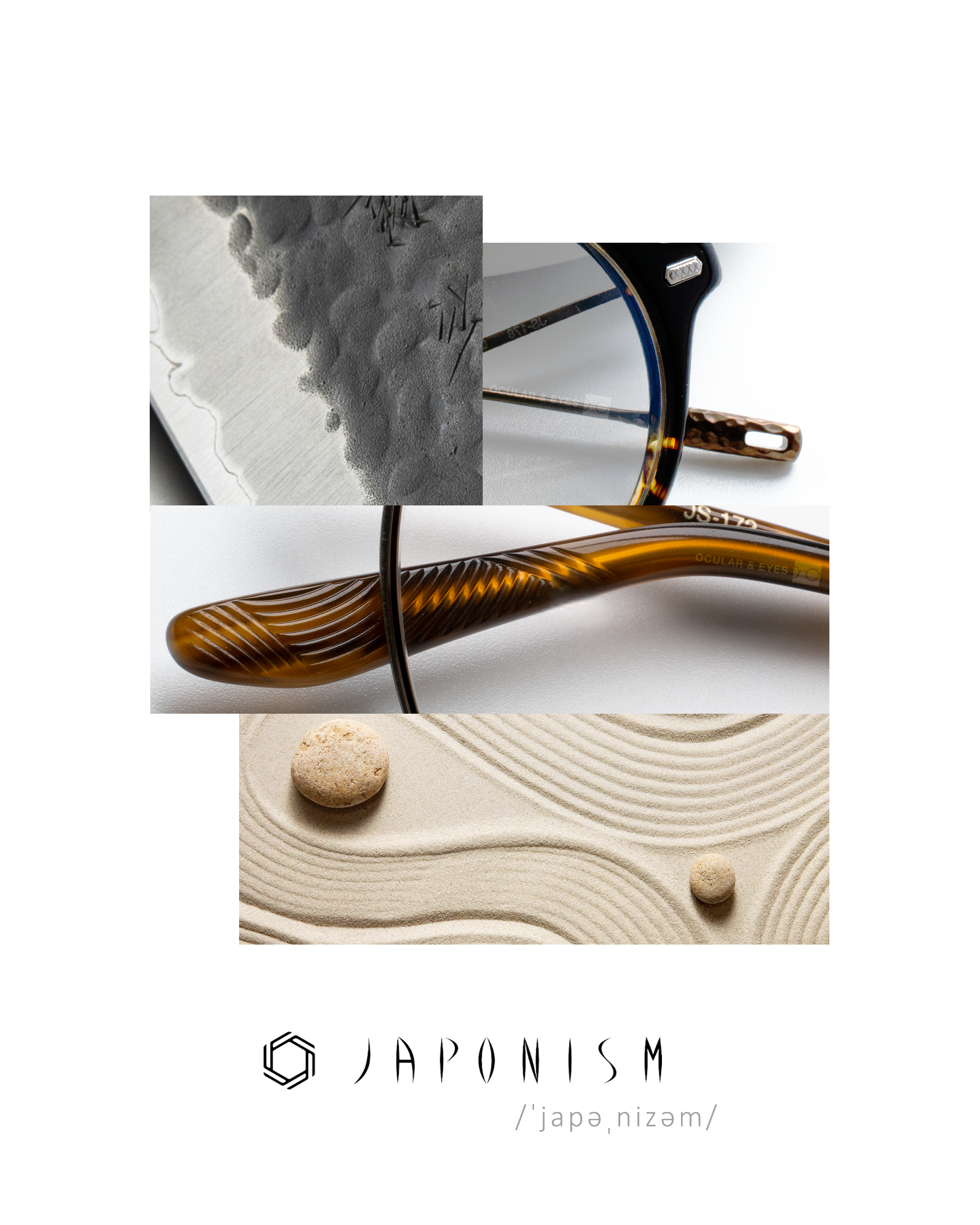
Born from ‘Japonisme’, a 19th-century Western fascination with Japanese aesthetics — JAPONISM reframes this narrative through an authentic Japanese lens.
‘Japonisme’ described a Western art movement from the nineteenth century that was characterised by the integration of Japanese aesthetics into mainstream art. Previously inaccessible to mainstream Western society, the forced opening of Japan to international trade in 1853 initiated a radical cultural exchange that canonically shaped the future of art. Renowned Western impressionists, including Vincent Van Gogh, Edouard Manet, and Alphonse Mucha, drew inspiration from the dramatic colour and composition of Ukiyo-e prints, which also grandfathered the art nouveau movement. JAPONISM, therefore, is a brand that reclaims its’ French moniker, reframing Western perspective into its founder, Kazumi Komatsubara’s, intent. Their eyewear embodies principles of Japanese aesthetics, this time empowered by conscious global accessibility.
JAPONISM was born out of the strong will to make a brand made in Japan available throughout the world. Launched in 1996 as the flagship brand of Boston Club Co., Ltd., the brand has since enjoyed great success both in its own country and worldwide.
In 2016, the brand celebrated its 20th anniversary. Their first collection ‘Neoclassical’ was presented at IOFT 1996. The concept of this product line consisted of making Japanese eyeglasses that expressed the capacities inherent to unique technologies from Japan. The same year, Boston Club exhibited its products at the International Vision Expo in New York. From then, Boston Club products began to be sold in many famous shops, including Robert Marc. JAPONISM has stayed true to its cultural heritage, with recent collections continuing to draw from Japanese craftsmanship, art, and fashion.
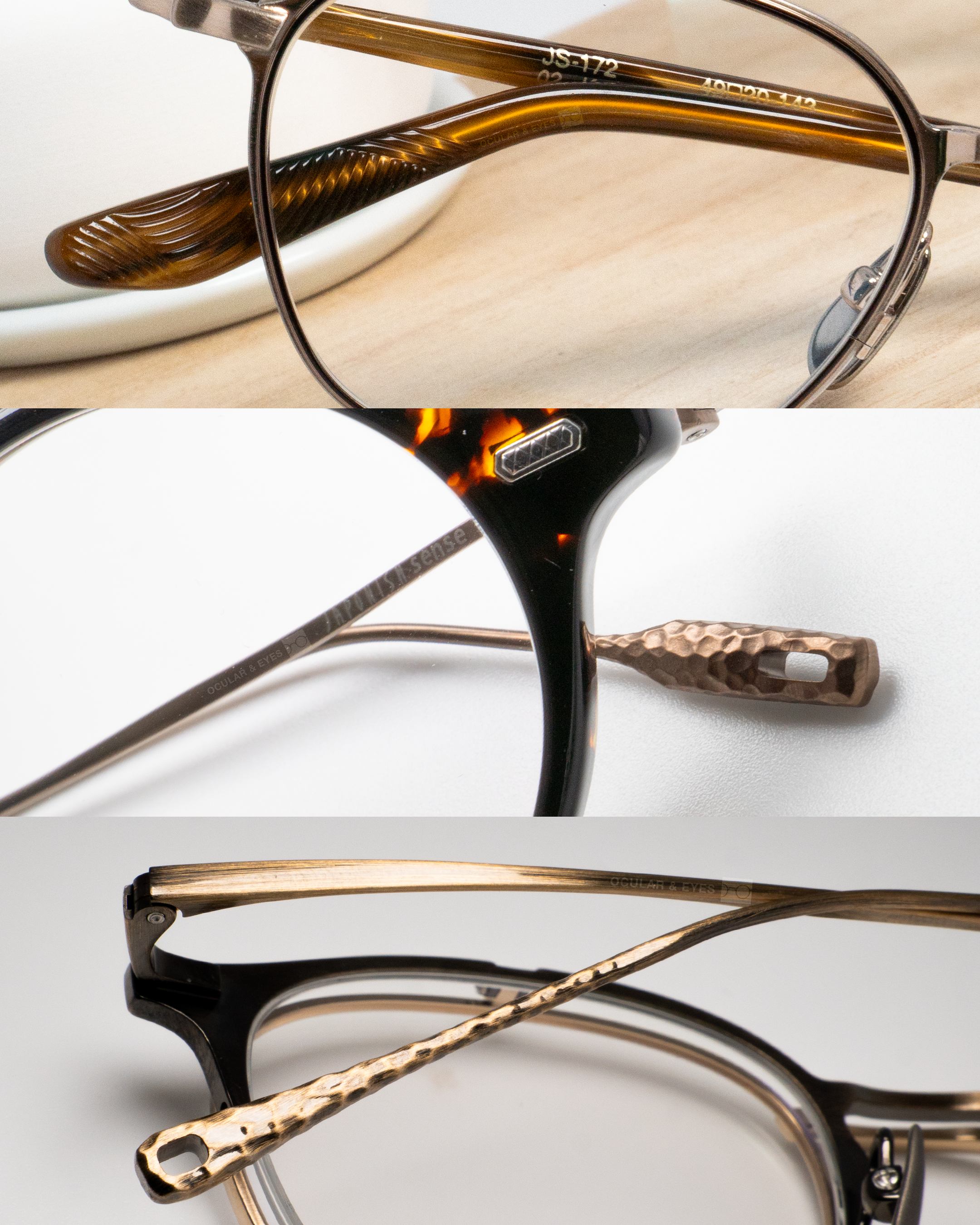
‘Sense’ series, launched in 2014, was born from the serenity of Kyoto’s Buddhist temples, and named after the traditional colours Shikkoku, Enji, Noshimehanairo, Sabitetsuonando, and Ebicha. The details of this collection draws from traditional Japanese crafting techniques, including Tsuchime and Kumiko.
‘DiESS’, a more contemporary collection focusing on precision and functionality accumulate into a streamlined form that evokes the role of Japan in pioneering technological innovations.