
Clear Sight, Clear Mind: The lens beyond SmartLife
There is a particular kind of tired that has nothing to do with sleep. It shows up at the end of a long day of screens, low light and shifting focus: a heaviness behind the eyes that no amount of blinking seems to fix. ZEISS has spent years studying exactly that feeling, and the newest lens in their portfolio is built entirely around what they found.
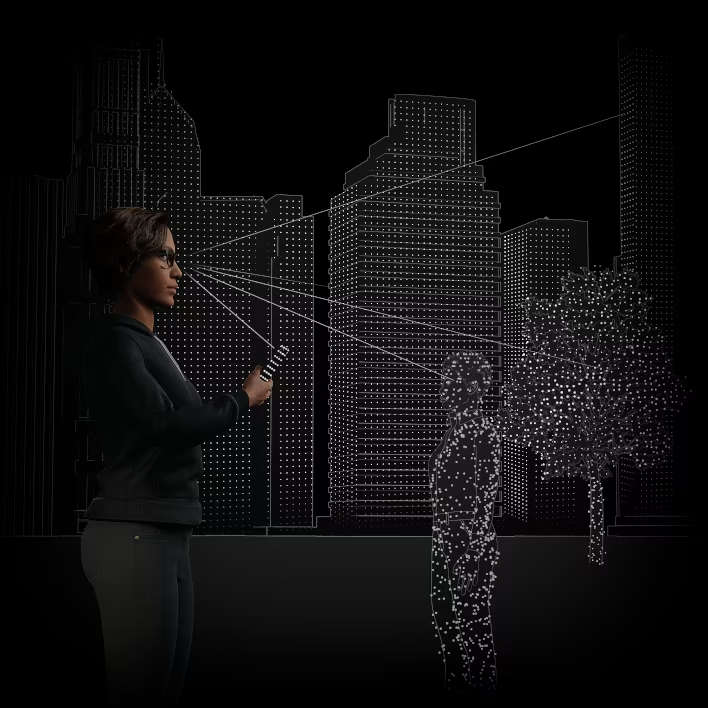
In 2019, ZEISS launched SmartLife. A lens design that accounts for different lifestyles, made for the constant shift between office work and heading out for a walk, built with wide fields of view and freeform optics tuned to busy, on-the-move vision.
Seven years on, ZEISS has gone further. Not by asking how people move through their day, but by asking what an unclear image actually costs the person looking at it.
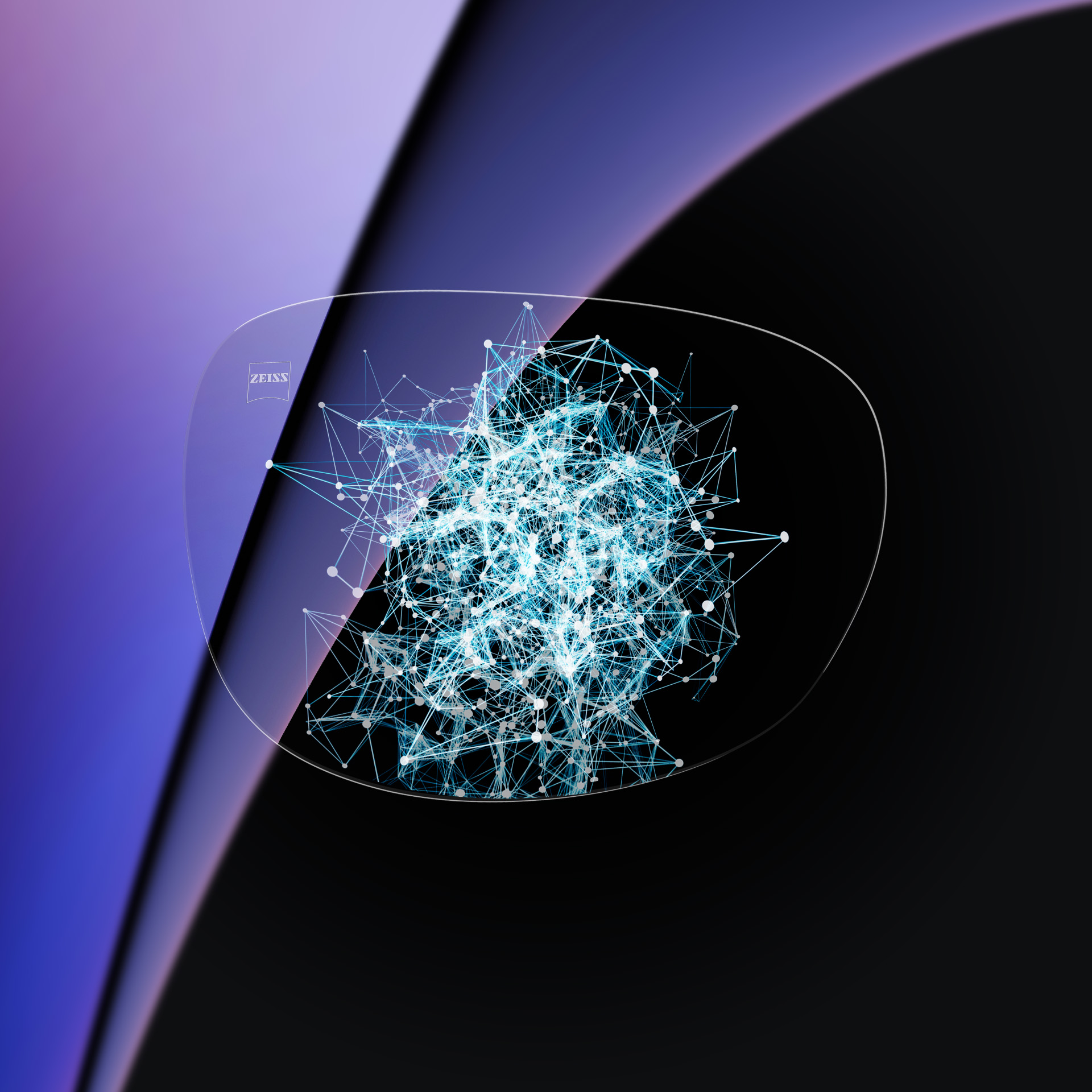
Researchers found that clarity of vision and cognitive load are objectively linked. Put simply, the brain works harder to interpret a blurred or incomplete image than a clear one, and that extra effort accumulates over the course of a day. It's a quieter kind of fatigue, easy to mistake for tiredness, hard to trace back to your glasses.
ClearMind is ZEISS's answer. Its NeurOptix technology aligns the lens's zones of clarity to the way the eyes naturally move, rather than asking the eyes to adjust to the lens. A clearer view really does mean a less effortful mind.
What’s Actually Different?
Wearers Thoughts
The feedback on ZEISS ClearMind has been overwhelmingly positive with wearers consistently point to clearer vision, easier adaptation, and a genuine difference in how their eyes feel by the end of the day.
Progressive lens wearers, ZEISS ClearMind consumer survey, 2025.
Opinion-based survey among wearers of ZEISS ClearMind lenses in Germany, Italy, India and China, N=298, Single Vision, Digital and Progressive lenses, Carl Zeiss Vision International GmbH, 2025.
Which ClearMind is yours?
ClearMind lenses comes in three distinct designs, each built for how your eyes actually behave day to day.

- Your prescription corrects either near or distance vision.
- You don't currently need reading correction alongside your everyday vision.
- You want larger, clearer zones and less peripheral blur than a standard single vision lens delivers.
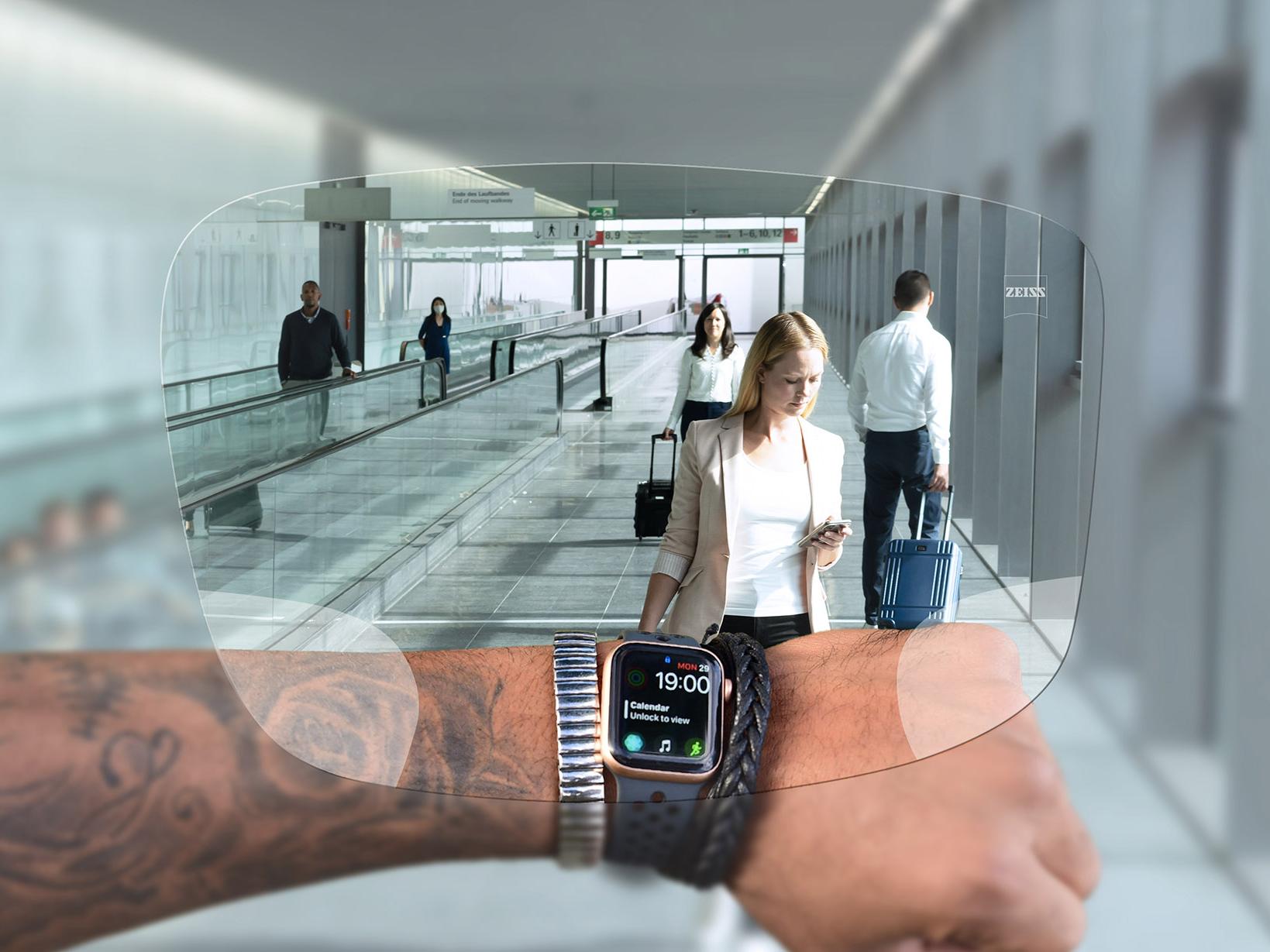
- Your eyes tire faster on screens than they once did, especially later in the day.
- Focus takes a moment longer to catch up when switching between near and far.
- A single vision lens no longer feels like quite enough, often the first sign of early-stage presbyopia, before a full progressive is needed.
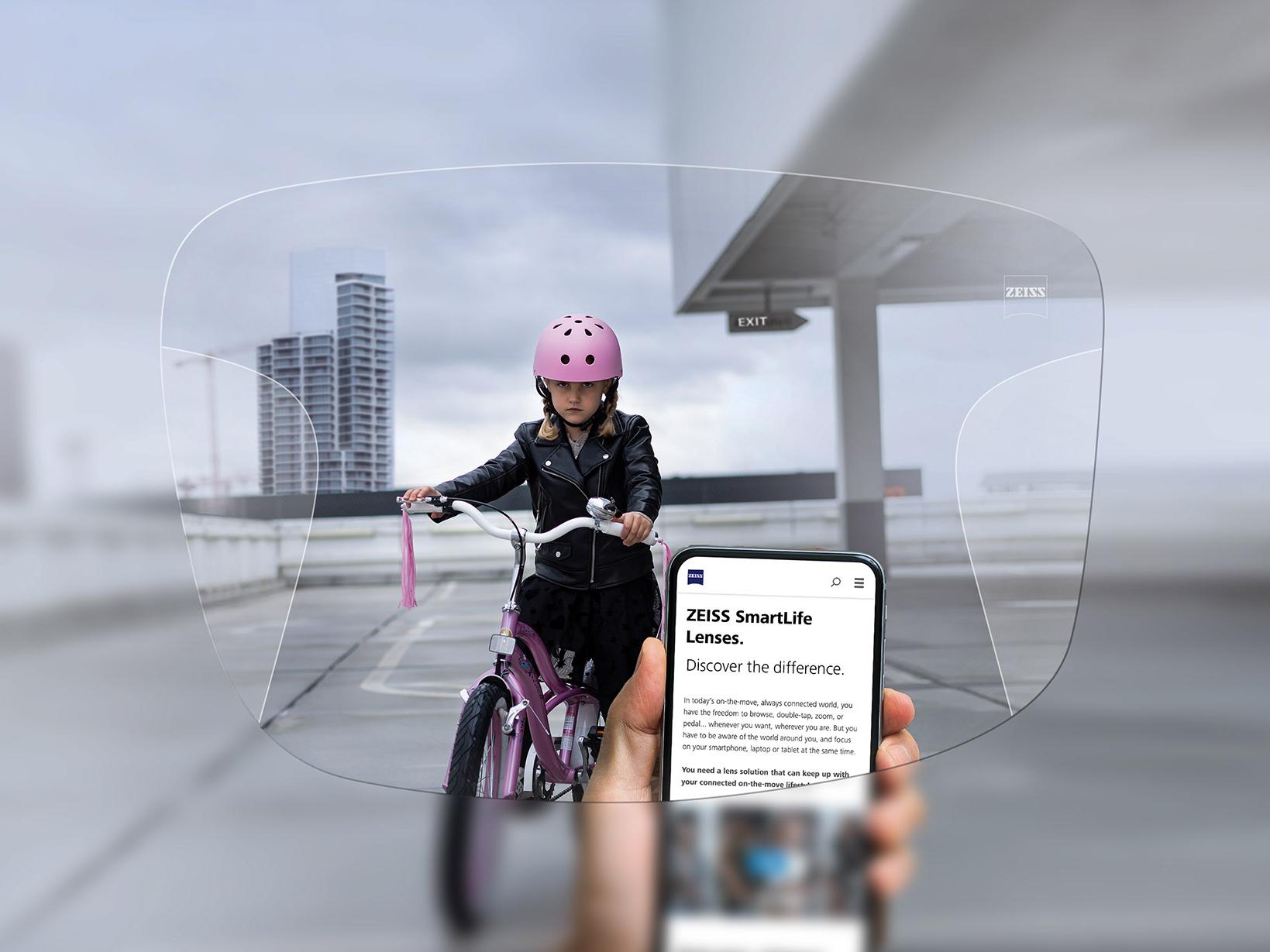
- Near, intermediate and far all need correction, and switching between them feels effortful.
- You've noticed yourself holding things further away to bring them into focus.
- You want the widest range of clear vision, with the smoothest transitions between distances.
The lines between these aren't rigid, plenty of people sit right at the edge of one and the next. That's exactly what we assess in store: not how old you are, but how your eyes are actually behaving.
ClearMind is available across the full range of ZEISS coatings and finishes.
Find the right progressive lens with our optometrists at Ocular & Eyes