
A style guide: finding your frame.
The frames that define you are the ones chosen with intention. A guide to reading your face, understanding your options, and wearing something that's genuinely yours.
Face shapes are a starting point, not a rulebook.
“The icons who wear eyewear best don't follow rules. They choose frames that match who they are trying to become.”
The conventional approach to eyewear selection starts with face shape and works outward. It is useful, and we will get to it. Think of the people who wear glasses most memorably: James Dean in his Wellingtons, Ryuichi Sakamoto in warm tortoiseshell, David Bowie in his two-bridge military frames. None of them were running face-shape calculations. They were building a look.
The practical guide below is designed to help you understand your options. But the real starting point is simpler: what kind of person do you want to look like in the room?
The Principle: "Choose a frame that makes you stretch toward the person you want to become. You will grow into it."
Look at the figures who made eyewear part of their identity. Each chose frames that said something precise about who they were, often deliberately ignoring what the rules suggested they should wear.
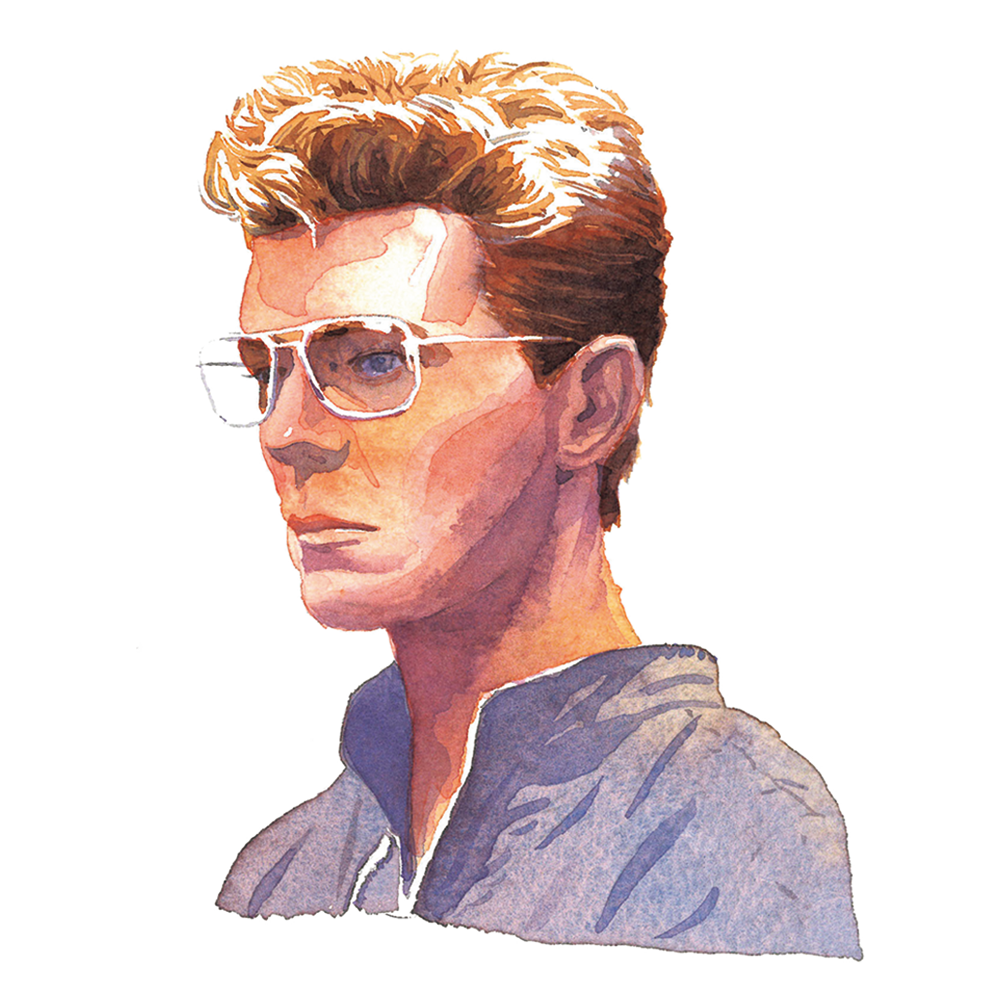

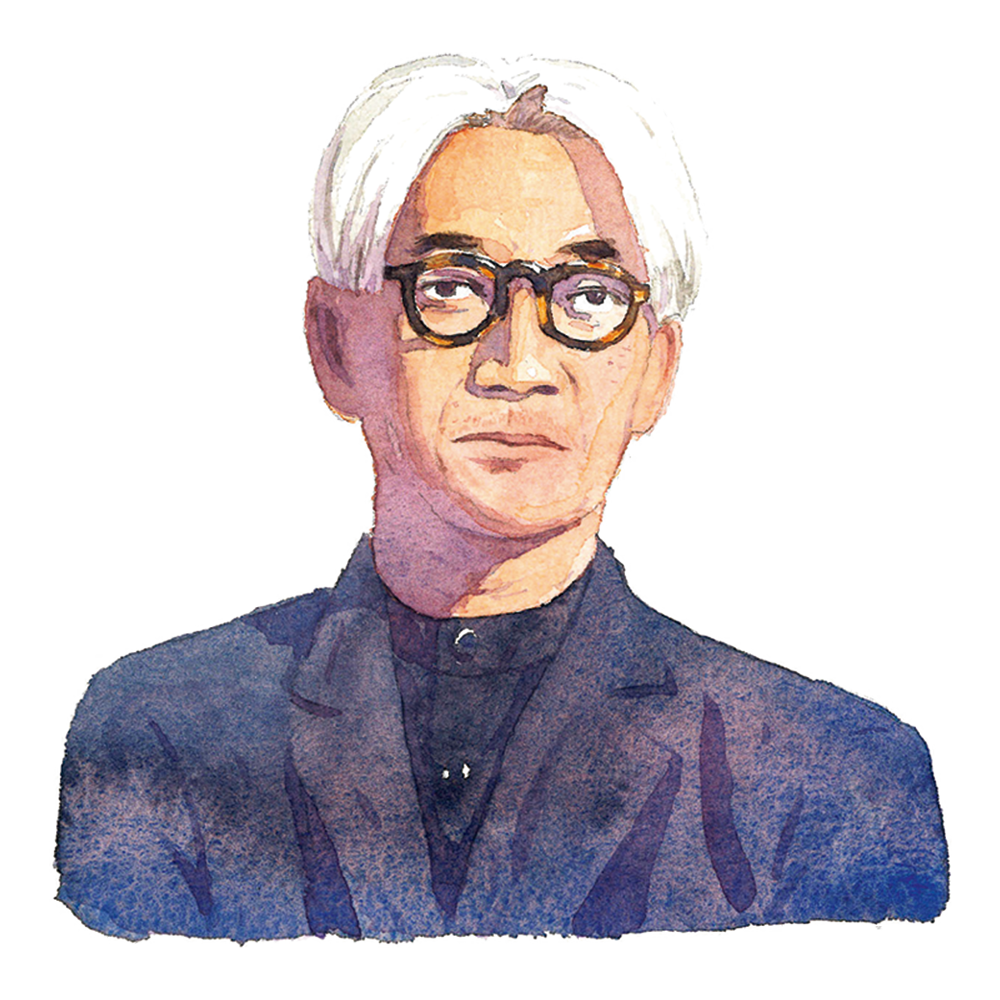

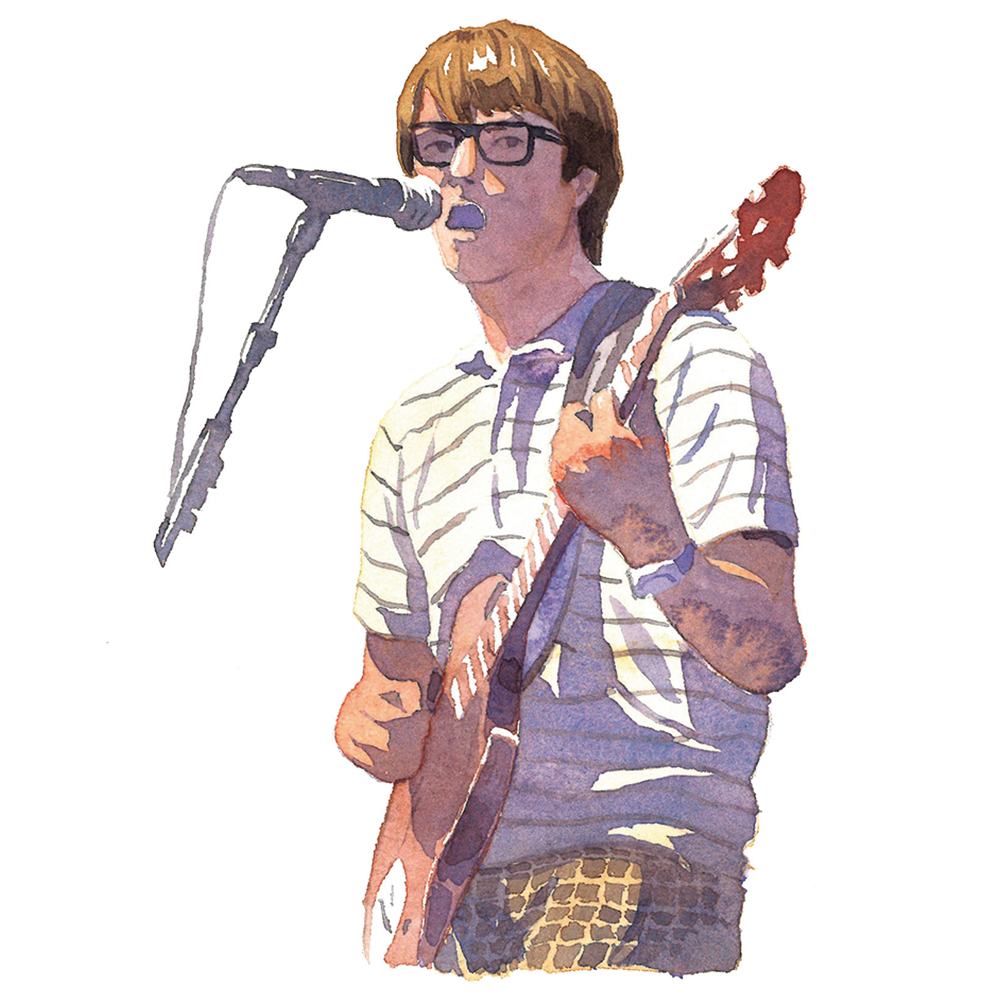
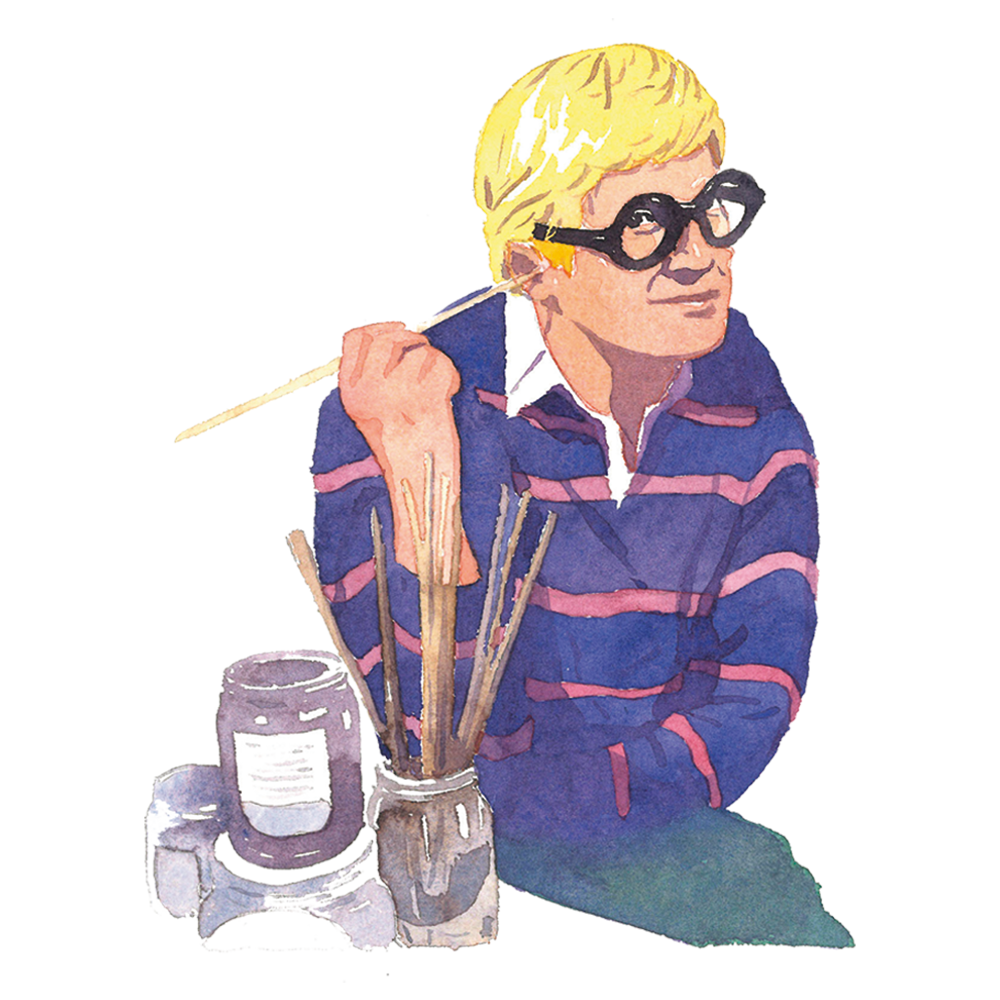
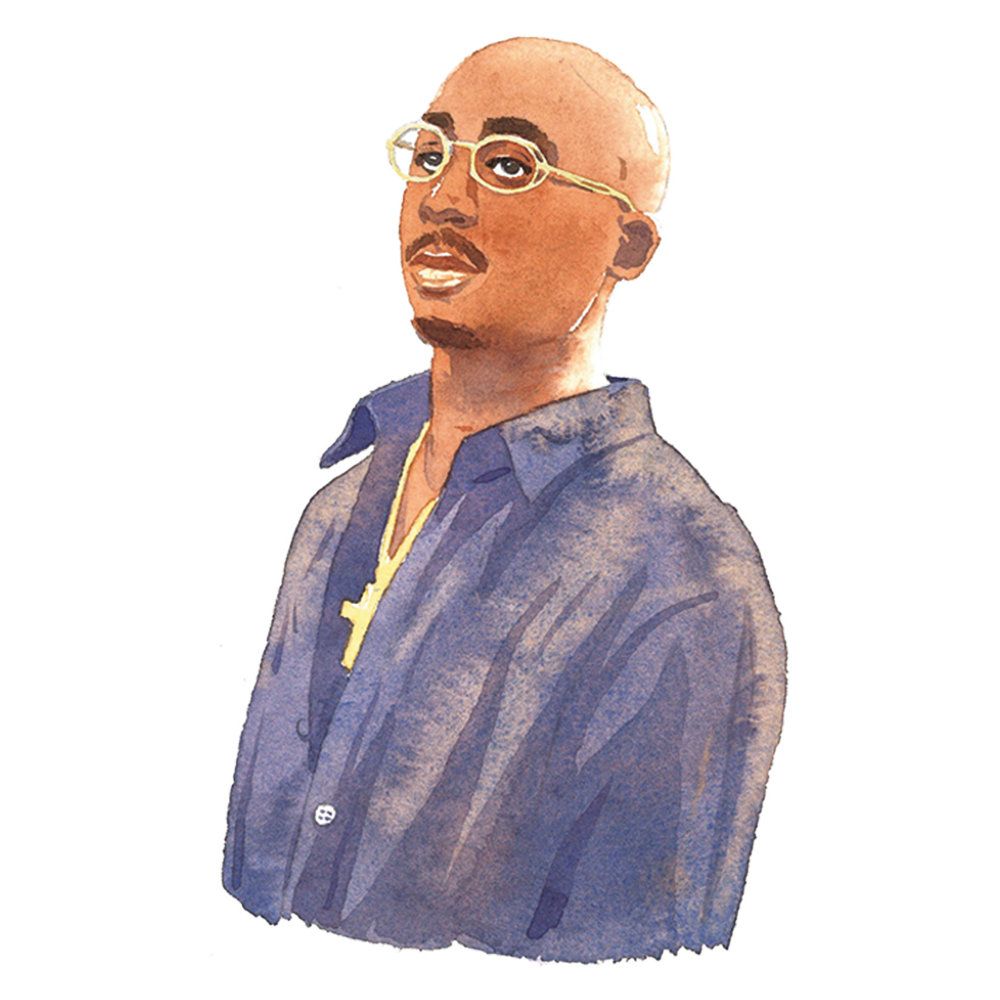
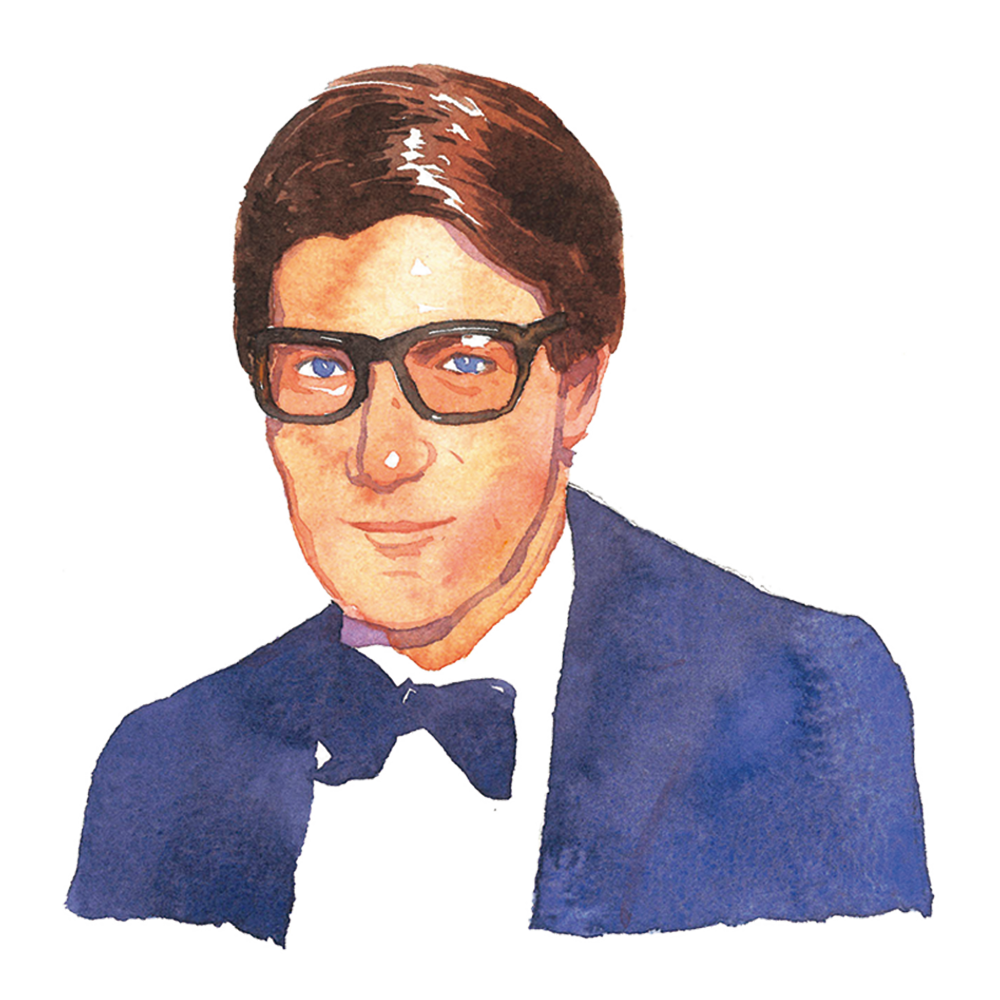

Illustration: Dean Aizawa, Makoto Wada
The face shape guide.
With the icons in mind, here is the practical framework. Face shape is about balance: the goal is not to hide your features but to complement them. Angular frames add definition to soft faces; rounded frames soften strong ones. The rule of contrast is a good starting point. But as Sachs and Lennon both demonstrate, rules exist to be understood before they are broken.
Balanced proportions, gently tapered jaw, slightly wider forehead. The face shape that works with almost anything, which is both a gift and a challenge.
Almost any frame shape. Wide rather than narrow. Bold shapes, square frames, rounds, wayfarers, cat-eye. The main caution: avoid frames smaller than the widest point of your face.
Try: TVR 504 (James Dean's Wellington, the shape that works on almost every oval face.)
Similar width and length, smooth curves throughout, full cheeks. The goal is to add structure and create the impression of length.
Angular frames, square or rectangular shapes, browline styles. Wider than tall. Thin rims keep weight off the face. Avoid circular frames that mirror the face's own curves.
Try: Kaneko Optical KV-150 (the bold acetate rectangle Lennon wore in his early Beatles years adds definition and horizontal structure.)
Strong jaw, angular features, broad forehead. Considerable presence. The goal is to ease the angularity rather than compete with it.
Round, oval, or soft geometric frames. Slightly wider than the cheekbones. Thin or semi-rimless styles. Avoid thick square frames that double down on the jaw's sharpness.
Try: Factory900 RF-160 (Hockney's oversize rounds offset strong angular features.)
Wide forehead and cheekbones narrowing to a pointed chin. High set, prominent upper face. The goal is to balance top and bottom.
Frames wider at the bottom than the top. Light, low-profile frames that don't add weight to the forehead. Aviators, rounds, and semi-rimless styles work well.
Try: Yellows Plus Leonard (YSL's slim rectangle keeps attention centred without overpowering the upper face.)
Longer than wide, with a long straight cheek line. The goal is to create the impression of width and interrupt the vertical line of the face.
Frames with depth rather than height. Decorative temples, contrasting details, and wide frames. Avoid narrow or rectangular frames that extend the face's length further.
Try: Jacques Durand Paques (Sakamoto's wide tortoiseshell adds horizontal weight and warmth.)
Narrow forehead and jaw, broad dramatic cheekbones. The rarest face shape. The goal is to soften the angularity and draw focus to the eyes.
Rimless or oval frames with a strong brow line. Cat-eye shapes highlight the cheekbones beautifully. Semi-rimless browline styles. Avoid narrow frames that over-emphasise the eye line.
Try: Yellows Plus Blaire (Bowie's two-bridge emphasises the eyes while softening the angular shape.)
The face shape guide is where most people start. But there are other variables that matter as much, and sometimes more. Skin tone plays a significant role. Warm tones (golden, olive, brown) tend to suit tortoiseshell, warm metals and earthy acetates; cool tones (pale, pink, blue-grey undertones) respond well to silver, black, and cooler coloured frames. Frame weight matters on the face physically and visually: a heavy acetate reads very differently to a fine titanium wire, even in the same silhouette.
There is also the question of personality. As the icons above show, the most interesting eyewear choices are often the ones that lean into who the wearer is rather than simply what their bone structure recommends. Tom Sachs looks like Tom Sachs in clear frames. Ryuichi Sakamoto looked unmistakably like Ryuichi Sakamoto in warm tortoiseshell — a choice so considered it became part of how the world pictured him. The "correct" frame for your face shape is the starting point. The frame that makes you look unmistakably like yourself is the destination.
Every brand at Ocular & Eyes was chosen with this conversation in mind.
The face shape question is one we will help you answer in store. The more interesting question is the one worth arriving with: what kind of frame do you want to own?
St James Arcade, Shop 7 / 80 Castlereagh St, Sydney CBD · (02) 9222 9535